

Your sales are slowing as consumers cut back. You worry your beautiful photo albums, a non-essential item, will be left on the shelf, threatening your market share.
To maintain market share, photo albums must be repositioned from a luxury good to a high-value, emotionally significant purchase. This involves creating affordable gift options, focusing on milestone events like weddings and babies, and offering versatile formats like scrapbooks that provide a lasting experience.

I've been in the manufacturing business for over a decade, and I've seen these economic cycles before. The first instinct for many brand managers is to panic and start aggressive discounting. This is a mistake. My most successful clients—the ones who lead their categories in major American and European retail chains—don't slash prices. They get smart. They call me, and we strategize. We adjust the product itself to meet the new customer mindset. It's not about selling for less; it's about selling smarter by creating products that feel essential even when money is tight. Here’s how we do it.
How Do You Create Perceived Value Without Looking Cheap?
You need to offer a more accessible price. But slashing prices can make your brand seem cheap and desperate, damaging your reputation long-term.
We create value by focusing on high-impact details at a lower cost. This means using high-quality printed paper covers instead of expensive fabrics, offering elegant debossing on simpler materials, and streamlining sizes for production efficiency. The album still feels premium, just more accessible.
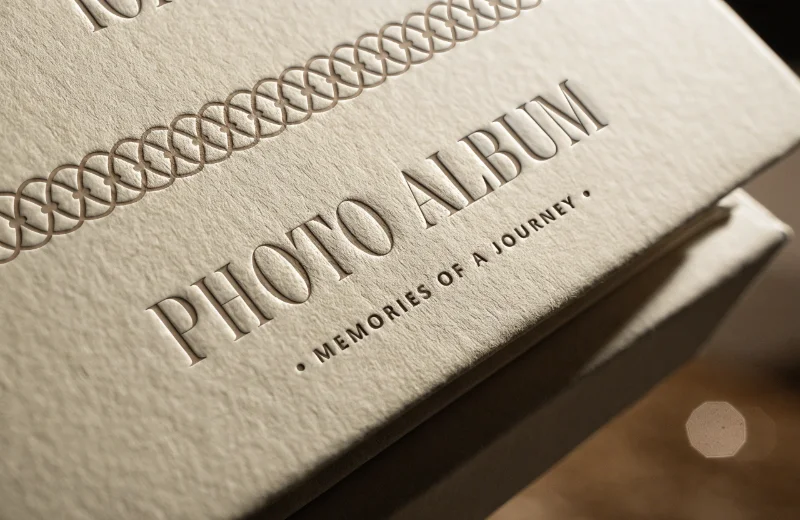
This strategy is called value engineering, and it's my specialty as a manufacturing partner. It's about making intelligent choices that reduce cost without sacrificing the feeling of quality. For example, a linen or velvet cover is expensive. A beautiful, heavy-gauge paper cover with a sophisticated printed design can look just as premium but costs significantly less to produce. A purchasing manager for a large wholesaler came to me last year because his premium album sales had stalled. We worked together to design a new line that replaced the fabric covers with a custom-designed, matte-laminated paper cover. We kept the high-quality lay-flat binding and the thick inner pages. The result? A product that was 30% cheaper to produce but still looked fantastic on the shelf. It allowed him to hit a key retail price point without devaluing his brand.
| Premium Feature | Value-Engineered Alternative | Client Benefit |
|---|---|---|
| Fabric Linen Cover | High-GSM Textured Paper Cover | Lower cost with unlimited design possibilities. |
| Padded Cover | Rigid, High-Density Board | A modern, sleek look with lower material and labor costs. |
| Metal Photo Frame on Cover | Die-Cut Window for a Photo | Looks elegant, highly personal, and is much cheaper to produce. |
Should You Focus Only on Weddings and Babies in a Downturn?
Your all-purpose albums aren't moving. Trying to appeal to everyone means you're appealing to no one in a tight market, and your inventory is sitting still.
Yes, focusing on these "non-negotiable" life events is a core survival strategy. Consumers will always budget for weddings, new babies, and major anniversaries. By offering specialized, themed albums for these moments, you tap into a resilient, emotionally-driven market.
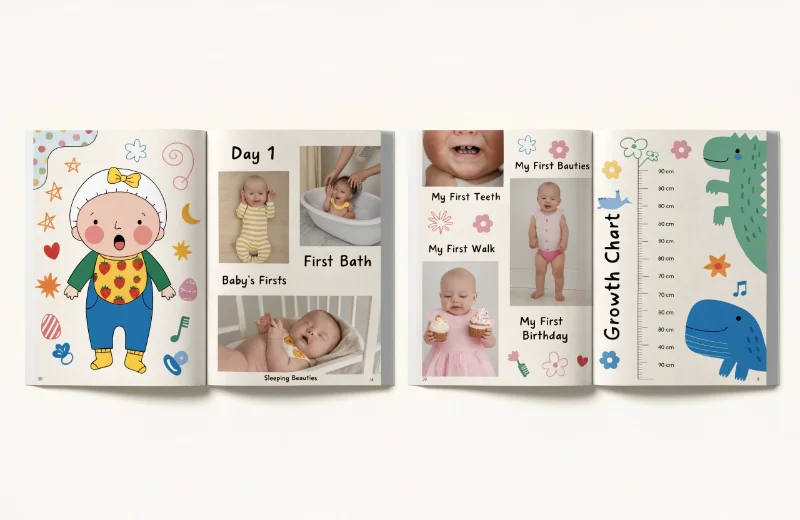
When money is tight, people don't stop having babies or getting married. These are moments of high emotion, and spending on them feels justified. As a factory, we help our clients target these segments precisely. For the baby market, we can produce albums with soft, pastel-colored covers, cute embossed animal shapes, and pre-printed pages for "My Firsts." For the wedding market, we focus on timeless elegance: classic white and ivory materials, options for gold or silver foil stamping, and lay-flat pages perfect for panoramic photos. A few years ago, I worked with a brand manager to create a "My First Year" baby album kit. It included the album, milestone cards, and a keepsake box. It became their bestseller because it was the perfect, complete gift. It succeeded because it wasn't just a generic album; it was a solution for a very specific, emotional need that people were willing to pay for, regardless of the economy.
Can Scrapbooks and DIY Kits Attract Budget-Conscious Customers?
Customers see a finished album as a single, expensive purchase. They hesitate to spend that much on an "empty" book, and it feels like a luxury they can cut.
Absolutely. Scrapbooks and DIY kits reframe the purchase as an affordable, creative experience rather than just a product. They offer higher perceived value by including accessories like stickers, pens, and decorative tape, turning one purchase into hours of family activity.
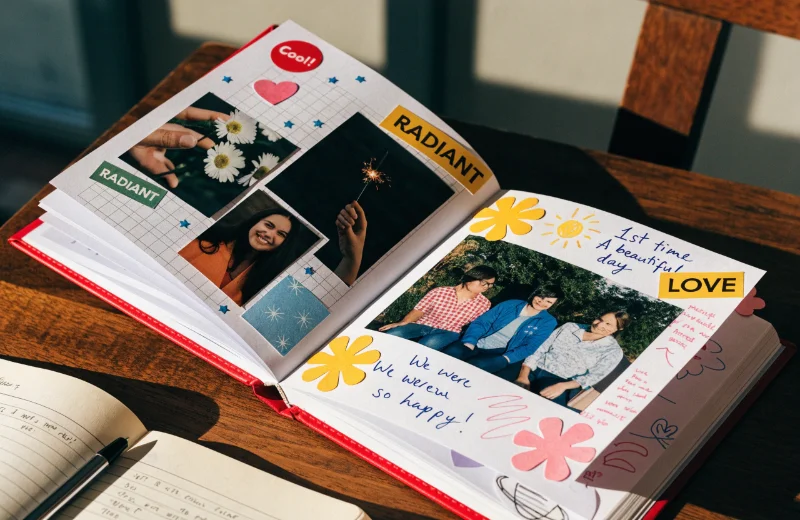
This is one of the most effective strategies in a downturn. Instead of selling a $30 album, you sell a $35 scrapbook "kit." From a consumer's perspective, they aren't just buying a book; they are buying an evening of family fun. It's an activity. This completely changes the value calculation. The product is no longer competing with other luxury goods; it's competing with the cost of a movie ticket or a board game. As a factory, we excel at this. We don't just make the album; we become a kitting and sourcing partner. We can source the stickers, the pens, and the adhesive corners, and we can package everything together into a retail-ready kit. For a major US chain store, we developed a "Family Vacation" scrapbook kit. It became a huge success because it was marketed as an affordable souvenir and a rainy-day activity—a perfect combination of value and experience.
Conclusion
During tough economic times, success isn't about being the cheapest. It's about being the smartest, offering emotional value, and focusing on what truly matters to your customers.