

Your customers have thousands of photos trapped on their phones. These digital memories are unseen and uncherished, creating a void in their home's story. The coffee table album fills this gap.
The coffee table album is popular again because people crave tangible experiences in a digital world. It merges minimalist home decor with personal storytelling, turning a photo collection into a stylish, interactive centerpiece that functions as both a memory keeper and a beautiful object.
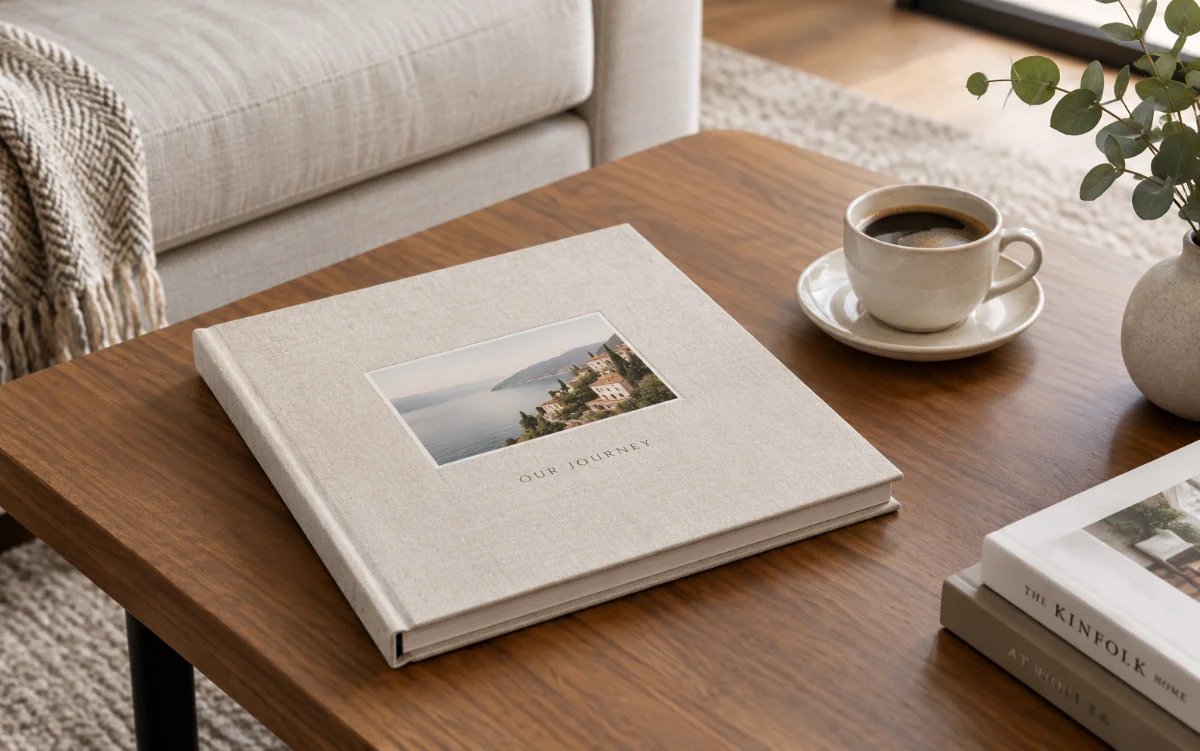
I first noticed this shift a couple of years ago. A major US retail client, known for modern home goods, asked us to develop a photo album. But they didn't want the old-style albums with plastic sleeves. They wanted something that felt more like a high-end art book. This request wasn't an isolated one; it was the start of a major trend that's reshaping how we think about displaying photos. To understand this comeback, we need to look at the powerful consumer needs driving it.
Why Are Consumers Choosing Physical Albums Over Digital Galleries?
Digital photo streams are overwhelming and impersonal. Scrolling through a phone full of random screenshots and duplicates doesn't feel special; cherished memories get lost in the digital noise.
Consumers are choosing physical albums to fight "digital fatigue." A curated album provides a tactile, focused experience that feels more meaningful and permanent than a fleeting digital slideshow. It offers a chance to disconnect from screens and share memories in a more personal way.

The move back to physical albums is a direct reaction to our digital lives. As a manufacturer, understanding this "why" is key to creating a product that sells. It’s not just about nostalgia; it’s about solving modern problems.
The Fight Against Digital Clutter
Most people have thousands of photos on their phones. This creates a paradox: we take more pictures than ever, but we enjoy them less. They are disorganized and mixed in with unimportant images. A coffee table album forces curation. It encourages your customers to select their absolute best and most meaningful photos—the wedding, the new baby, the trip of a lifetime. This act of choosing gives the memories more weight and transforms a cluttered digital folder into a concise, beautiful story. The album becomes a highlight reel of their life, not an endless, unedited archive.
The Value of a Tangible Experience
There is a sensory satisfaction that digital media can't replicate. The feeling of a fabric-bound cover, the weight of the album in your hands, the sound of a thick page turning—these things make the experience special. I was at a friend's house recently, and they pulled out an album from their vacation. We spent an hour talking about the trip as we turned the pages. If they had just passed their phone around, we would have swiped through in two minutes. The physical object encourages you to slow down and truly engage with the memories. It makes them feel more real and permanent.
What Defines a Modern Coffee Table Album's Design?
Old photo albums look bulky and outdated. They are made with cheap-feeling materials that clash with modern decor, so they end up hidden away in a closet instead of being enjoyed.
A modern coffee table album is defined by its minimalist, book-like aesthetic. It uses high-quality materials like linen or cloth for the cover, features thick archival paper inside, and often has a lay-flat binding. The design prioritizes simplicity and elegance to complement contemporary interiors.
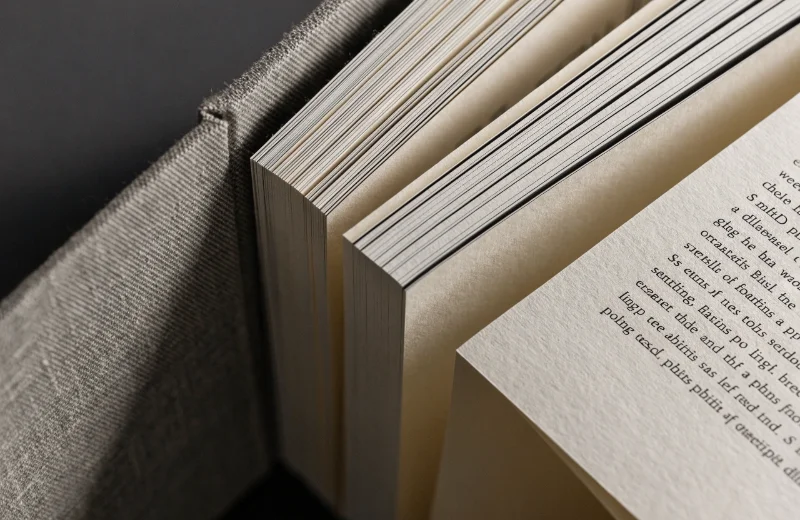
The success of the new coffee table album is all in the design. It has been completely re-imagined not as simple photo storage, but as a piece of decorative art. For my clients, getting these details right is the difference between a bestseller and a product that gathers dust. The goal is to create something that people are proud to display.
From Plastic Binder to Art Book
The most significant change is the form factor. The modern album looks and feels like a beautifully published book you might find in a museum gift shop. The covers are the first thing a customer touches, so the material is critical. We've moved away from faux leather and plastic and are now using high-quality textiles like linen, cotton, and soft-touch book cloth. The branding is subtle, often just a simple, elegant title like "Memories" or "Our Story" debossed on the cover, rather than a cutout window for a photo.
Quality Over Quantity Inside
The interior is just as important. The days of flimsy plastic sleeves that turn yellow are over. Today’s albums use thick, acid-free archival paper that preserves the photos and provides a premium feel. The "lay-flat" binding is another key feature we now build into our premium albums. It allows the album to open completely flat, so a single photo can stretch across two pages without being distorted by a curve in the middle. This is perfect for panoramic travel shots or large group photos and gives the entire product a much more professional, high-end look.
| Feature | Old Photo Album | Modern Coffee Table Album |
|---|---|---|
| Cover Material | Plastic, Faux Leather | Linen, Cotton, Book Cloth |
| Cover Design | Photo Window, Loud Text | Minimalist, Debossed Title |
| Interior | Thin Paper, Plastic Sleeves | Thick, Archival Paper |
| Binding | Standard Book or Ring Binder | Lay-Flat Binding |
| Purpose | Storage | Display and Decor |
How Can Brands Customize Albums to Boost Sales?
Just putting another generic album on the shelf won't excite customers. Your competitors are catching on to the trend, so you need a way to make your product stand out.
Brands can dominate this market by offering smart customization. This includes custom cover colors that align with home decor trends, elegant debossed logos or phrases, premium packaging like a slipcase, and offering a range of sizes. Customization elevates the product into a unique, high-value item.
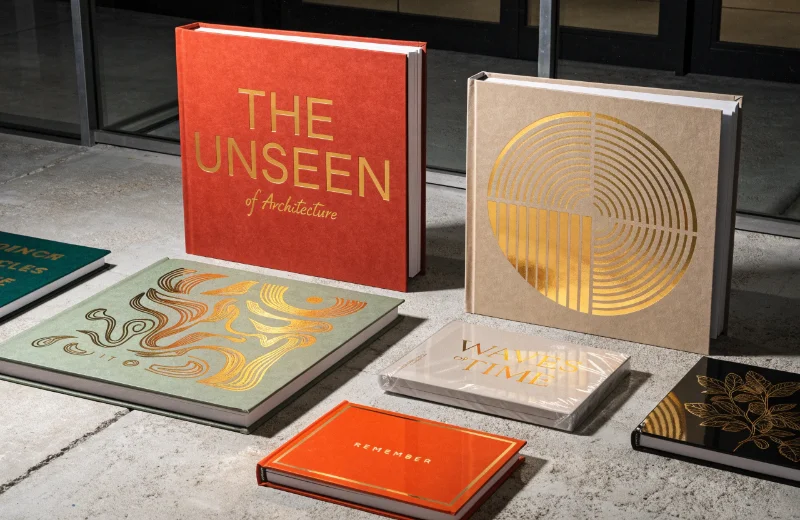
For my clients—the wholesalers, chain stores, and major brands—this is where the real opportunity lies. The coffee table album is a perfect canvas for branding and personalization. It allows you to offer a product that feels unique and exclusive.
Offer a Curated Color Palette
Instead of just offering black and white, think like an interior design brand. We work with our clients to select cover fabrics in colors that match the current season's home decor trends. Imagine offering albums in sage green and terracotta for the fall season, or soft pastels for a spring collection. This allows retailers to merchandise the albums alongside pillows, throws, and other decor, creating a cohesive story that encourages more sales.
Custom Debossing and Foiling
This is a simple but powerful customization. We can deboss a brand's logo discreetly on the back or create albums with unique, aspirational phrases on the front like "The Adventure Begins" or "Moments." For a wedding supply client, we produced a beautiful white linen album with "Our Wedding" stamped in gold foil. It became their number one selling album because it felt so much more special than a generic alternative.
Elevate with Premium Packaging
The unboxing experience matters. An album presented in a matching fabric-covered slipcase or a sturdy, elegant gift box instantly has a higher perceived value. This transforms it from a simple product into a perfect gift for weddings, baby showers, or anniversaries. For a brand, this is an easy way to increase the retail price and profit margin. We can produce the album and the custom box as a complete package, ensuring a perfect match and a high-end final product.
Conclusion
The coffee table album is back, successfully blending home decor with the timeless desire for tangible memories. For brands, success lies in offering premium materials, minimalist design, and thoughtful customization.


