
Are you struggling to decide between the tangible charm of a traditional photo album and the modern convenience of a digital photo book, feeling overwhelmed by the sheer volume of your digital pictures yet yearning for that special connection only physical photos can offer? The dilemma lies in balancing the immediate accessibility and storage capacity of digital formats against the irreplaceable emotional depth1 and lasting security of a physical album, making you question which option truly serves your memories best.
A traditional photo album is better for those seeking an irreplaceable tactile experience, pure emotional connection, enduring stability, and decorative value2, offering a multi-sensory way to share memories, whereas a digital photo book, while convenient, often succumbs to digital overload, platform dependency, lack of immersive focus, and potential privacy risks.

In my work helping people preserve their memories, I often encounter this question. It is a big one for many. People have so many photos today, usually on their phones or computers. But then they ask, "What do I do with all these pictures?" The choice between a digital photo book3 and a traditional photo album4 is more than just about how you store pictures. It is about how you want to experience your memories. I have seen how digital photos can get lost in the endless scroll of a screen. They become what I call "digital dust5." A traditional album, on the other hand, feels real. You can hold it. You can feel the paper. There is a sense of importance when you open it. This makes the choice very personal. It depends on what kind of memory keeper6 you are: someone who values immediate access or someone who cherishes a deeper, more physical connection to their past. It is about choosing a style that truly fits how you remember.
Does a Traditional Photo Album Offer an Unrivaled Sensory and Emotional Experience?
When you consider how you want to relive your most cherished moments, do you ever find yourself drawn to the idea of physically holding a memory, feeling the texture of the page, and experiencing the ritual of turning an album's cover? The problem with digital photos is that they often lack this multi-sensory engagement, leaving you to wonder if the depth of emotion and connection a traditional album provides is truly irreplaceable by any digital alternative.
Yes, a traditional photo album offers an unrivaled sensory and emotional experience, providing a tangible connection to memories through the feel of paper, the anticipation of opening a cover, and the personal warmth of shared physical photos, elements entirely missing in digital formats.
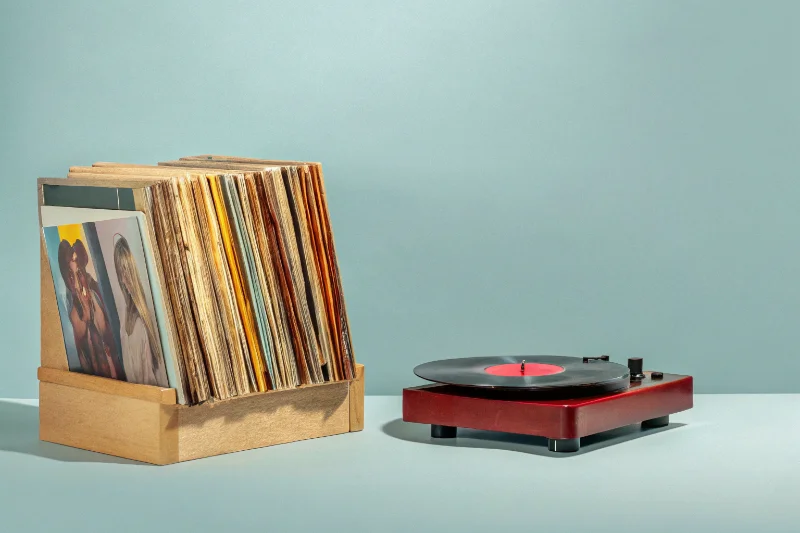
I have talked to many people who create photo albums, and they all say the same thing: there is a special feeling you get from a traditional photo album4. It is not something you can get from a screen. For me, the moment you touch the paper, you feel connected. It is a real connection. Think about the feeling of the paper. It might be smooth, textured, or even slightly rough. This tactile experience is part of the memory itself. When you hold an album, you do not just see pictures. You feel them. This is what I mean by a sensory experience. Also, there is a certain ritual. You open the cover. There is a moment of expectation. What pictures will you see next? This builds excitement. It is a slow, thoughtful process. When you pass a photo to someone, it is warm. They can hold it. You can both look at it closely. This shared moment builds a connection between people. Digital pictures cannot do this. You might look at a digital picture on a phone, but you cannot truly "pass" it in the same way. The shared experience is not as deep. This is why for pure emotional connection7, a traditional album is much better. It is about feeling and sharing, not just seeing.
| Feature | Traditional Photo Album | Digital Photo Book (compared to Traditional) |
|---|---|---|
| Tactile Experience | Physical pages, textures, weight of the album. | Lacks physical touch; screen-based viewing. |
| Ritual & Anticipation | The act of opening, turning pages creates expectation. | Instant viewing; often less deliberate. |
| Emotional Connection | Tangible, shareable object; promotes shared physical moments. | Can feel impersonal; less conducive to shared physical interaction. |
| Multi-sensory Engagement | Engages touch, sight, and the act of sharing. | Primarily visual; often limited to one person viewing. |
Why Does a Traditional Photo Album Provide More Lasting Stability and Memorial Value?
When you store your precious memories, do you ever worry about losing them to outdated technology, failed hard drives, or forgotten passwords, making you question the long-term reliability of digital formats? The problem is that digital storage, despite its convenience, comes with inherent risks of technological obsolescence8 and data loss, leading you to ponder if a traditional photo album inherently offers a more stable and enduring way to preserve your family's history, untouched by the fleeting nature of technology.
A traditional photo album provides more lasting stability and memorial value because, with proper care, it can endure for decades or even centuries, remaining independent of ever-changing technology, power sources, or software updates, unlike digital formats which are vulnerable to technological obsolescence, platform failures, and data loss risks.
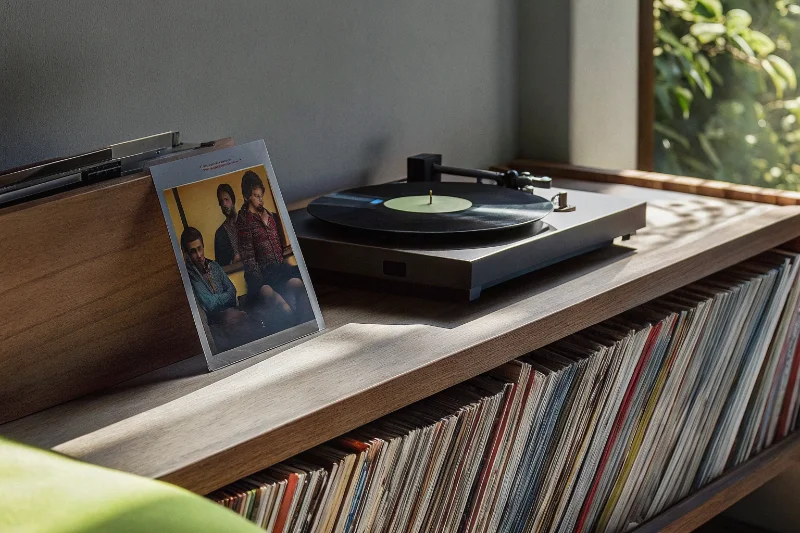
I have helped many families tell their stories, and a common concern is how long those stories will last. Digital photos, while easy to store at first, come with hidden dangers. Think about it. Do you still use floppy disks? What about old CDs? Technology changes fast. This means that a digital photo from today might not be viewable in 20 or 30 years if the software or device needed to open it no longer exists. This is called "technological obsolescence." Also, what happens if a platform shuts down? Or if your cloud account gets hacked? There is always a risk of losing your precious memories. In contrast, a traditional photo album4, if cared for well, can last for a very long time. I mean decades, even centuries. My own family has albums that are over a hundred years old. They do not need batteries. They do not need Wi-Fi. They just need a safe place away from direct sunlight or too much moisture. This makes them truly stable. Furthermore, a well-made physical album is more than just a collection of pictures. It is a piece of art. It is part of your home decor. It becomes a family heirloom, a tangible link to history. It adds a sense of history to your home. It serves as a constant reminder of special moments. There is a strong sense of memorial value in something physical that digital cannot match.
| Aspect | Traditional Photo Album | Digital Photo Book (compared to Traditional) |
|---|---|---|
| Durability | Can last for decades/centuries with proper physical care. | Dependent on technological format, device, and platform longevity. |
| Technological Reliance | Independent of technology; readily accessible at any time. | Requires specific hardware, software, and power to view. |
| Data Loss Risk | Low risk if physically secured; immune to cyber threats. | High risk from hardware failure, data corruption, platform closure, cyber-attacks. |
| Heirloom Value | Tangible artifact; often becomes a treasured family heirloom. | Less perceived as a lasting physical heirloom; more as data. |
What Are the Core Drawbacks of Relying Solely on Digital Photo Books?
As you consider storing your ever-growing collection of photographs, do you ever feel overwhelmed by the sheer volume of digital files, worrying that your cherished memories are simply becoming lost in a sea of data? The problem with relying only on digital photo books is that they often lead to "digital overload9." This means your photos rarely get viewed, are subject to various technical risks, and lack the immersive, physical connection of a traditional album, making you question their true effectiveness in preserving and celebrating your life's moments.
Relying solely on digital photo books presents several core drawbacks: they often lead to digital overload where photos are forgotten, depend heavily on technology and platforms which can become obsolete or fail, lack the tangible feel and focused immersion of physical albums, and carry inherent privacy and security risks.
From my perspective, while digital photo book3s offer undeniable convenience, they also introduce a set of real problems. The biggest one for many people is "digital overload." I have heard countless stories from clients who have tens of thousands of photos on their devices or in the cloud. But how many of these do they actually look at? Not many. Your precious memories often end up as what I call "electronic dust"—forgotten and rarely revisited. This is a sad outcome. The sheer volume makes it hard to focus on any single memory. Another major issue is reliance on technology and platforms. I tell people to think about their old flip phones or outdated computer programs. Digital photos need specific devices, power, and software to be seen. If a platform goes out of business, a format becomes old, or you forget a password, you might lose access to your photos forever. This constant dependency is a big risk for your memories. Also, the lack of a physical feel and focused attention is a real disadvantage. When you browse digital photos, you are on a screen. Often, other apps or notifications pop up, breaking your focus. This prevents the deep, immersive experience you get from turning the pages of a physical album. It is hard to fully get lost in the memories. Finally, there are privacy and security risks. Storing your photos in the cloud or on devices means they are always at risk of data breaches or hacking. This is a constant worry for many. These drawbacks show that digital photo books, while easy, might not be the best for truly preserving and enjoying your memories in the long term.
| Drawback | Description | Impact on Memories & Experience |
|---|---|---|
| Digital Overload | Too many photos stored digitally; rarely revisited. | Photos become "electronic dust"; memories are forgotten. |
| Tech/Platform Dependency | Requires specific devices, power, and software; risks of obsolescence. | Inability to access photos if technology fails or platforms close. |
| Lack of Physicality/Focus | Screen-based viewing; easily distracted by notifications. | Less immersive and focused experience; lacks tangible connection. |
| Privacy/Security Risks | Vulnerable to data breaches, hacking, or account loss. | Potential for private memories to be compromised or lost forever. |
Conclusion
A traditional photo album wins for its tangible, emotional depth1 and lasting stability, offering unmatched ritual and heirloom value10. Digital photo books, while convenient, struggle with overwhelming data, technical dependencies, lack of focus, and privacy concerns, often leaving memories unseen and vulnerable.
References
Learn how the emotional richness of physical albums enhances your memory experience. ↩
Find out how traditional albums can enhance your home decor while preserving memories. ↩
Discover the convenience and modern features of digital photo books that can simplify your photo organization. ↩
Explore the unique emotional and sensory experiences that traditional photo albums offer, enhancing your memory preservation. ↩
Explore the concept of digital dust and how it affects the visibility of your cherished memories. ↩
Learn about the role of a memory keeper and how it influences your choice between digital and traditional formats. ↩
Understand the deep emotional ties that physical albums foster, making memories more meaningful. ↩
Learn about the risks of losing access to digital memories due to changing technology. ↩
Explore the phenomenon of digital overload and how it affects our ability to cherish memories. ↩
Understand why traditional albums are considered valuable family heirlooms that preserve history. ↩