Sourcing photo albums from China's vast market is overwhelming. Choosing the wrong supplier leads to wasted money and months of delays, putting your entire product line at risk.
Start by clearly defining your product needs, target price, and quality standards1. Then, shortlist manufacturers specializing in your album type. Finally, engage with several factories to compare their response time, pricing, and cooperation level to find the best match for your business.

I’ve seen it all in my years as a manufacturer. Some buyers send a one-line email: "How much for photo album?" Others come with a detailed technical pack, target retail price, and market research. Guess who gets a faster, more accurate quote and ends up with a more successful product? The process doesn’t have to be a gamble. By following a structured approach, you can navigate the sourcing landscape like a pro. It all begins with looking inward at your own project before you even type a word into Google.
Why Is Defining Your Product a Crucial First Step?
Vague requests sent to factories lead to slow and inaccurate quotes. This starts a frustrating back-and-forth, wasting valuable time and delaying your project before it even begins.
Defining your product provides a clear blueprint for manufacturers. It eliminates guesswork, ensures you receive accurate pricing, and allows suppliers to instantly know if they are a good fit for the project. This saves everyone time.

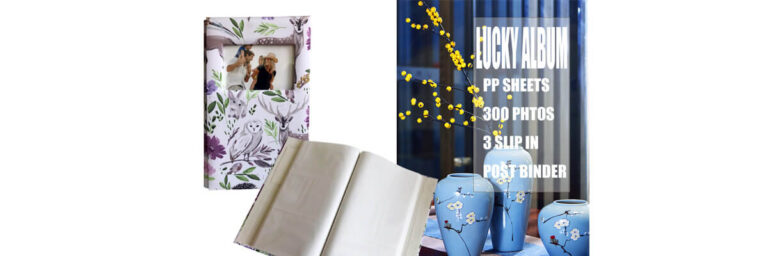
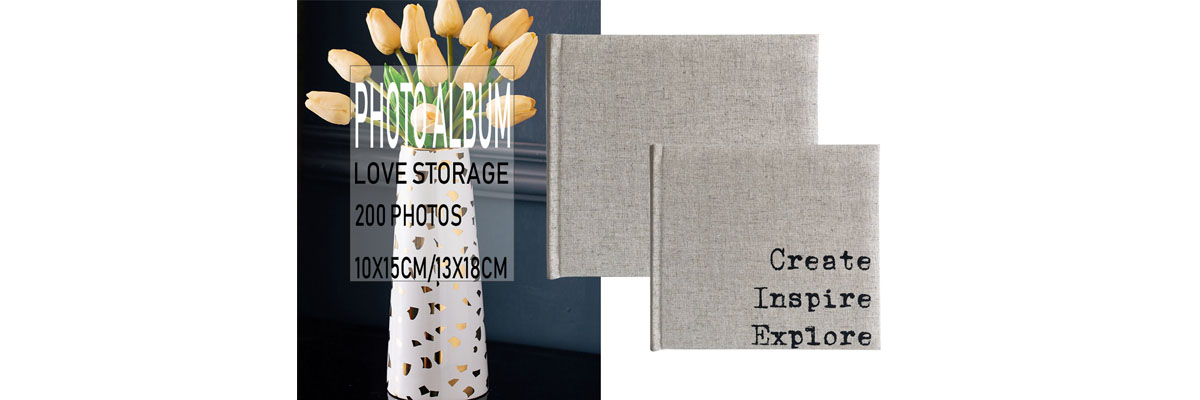
Before we can even calculate a price, we need to know exactly what we are making. The difference in cost between a simple slip-in album and a complex, post-bound scrapbook with linen cover is huge. When a buyer provides a detailed brief, it shows they are professional. It allows my team to respond with an accurate quotation quickly. More importantly, it helps you. By defining your needs first, you force yourself to think through your product strategy2. Who is the end customer? What is their budget? What style will appeal to them? China has thousands of factories, and we all specialize. One factory is great at mass-producing low-cost albums for supermarkets. Another, like us, excels at high-quality, customized albums for global brands. A clear brief ensures you are talking to the right type of factory from day one.
The Elements of a Strong Product Brief
| Element | What to Define | Why It's Important |
|---|---|---|
| Album Type | Slip-in, scrapbook, post-bound, wedding, baby, etc. | Narrows the search to factories with the right machinery. |
| Materials | Cover (linen, leatherette, paper) and page (acid-free). | This is the biggest factor affecting cost and quality feel. |
| Size & Capacity | Dimensions (e.g., 12x12") and photo count (e.g., 200). | Determines material usage and production complexity. |
| Target Price | Your ideal ex-factory or landed cost per unit. | Helps the factory propose a realistic production solution. |
| Quantity | Your estimated order volume (e.g., 5,000 units). | Affects pricing, material sourcing, and production planning3. |
How Do You Shortlist Potential Manufacturers?
A Google search is a sea of similar-looking suppliers. You waste hours trying to figure out which are actual factories and which are just trading companies with no real capabilities.
To shortlist manufacturers4, go beyond their homepage. Look for factories that specialize in your specific album type, such as scrapbooks or wedding albums. Check their "About Us" and "Products" pages for evidence that they are a strong match for your quality and style needs.

A factory's website is their digital storefront. Use it to look for clues. Does their product gallery show a random mix of everything from USB drives to photo albums? They are likely a trading company or a generalist factory. A specialist will have a focused catalog. For instance, our website at ELIO Stationery clearly shows our deep expertise in wedding, baby, and scrapbook albums. I remember a client who came to us after a bad experience. They tried to get a complex, post-bound scrapbook made by a factory that only produced simple, heat-sealed albums. The result was a disaster because that factory didn't have the right equipment or skilled labor. Choosing a specialist means you are working with a team that has already solved the problems associated with making your type of product dozens of times before. They have the right material suppliers and the right quality control checkpoints built into their process.
Identifying a Specialist vs. a Generalist
| Aspect | Specialist Factory | Generalist / Trading Company |
|---|---|---|
| Product Range | Deep but narrow. Focuses on a few types of albums. | Very wide and random. Sells many unrelated products. |
| Expertise | Offers design suggestions and material advice. | Acts as a simple middleman, cannot advise on specifics. |
| Price | Competitive, because they have efficient processes. | Often higher, as they add their own margin. |
| MOQ | Has a reasonable Minimum Order Quantity for their specialty. | Can be very high or suspiciously low. |
What Should You Look for During Initial Communication?
You have emailed several suppliers, but their replies are slow and unhelpful. This poor communication makes you worry about their reliability when a real problem happens during production.
During initial communication5, evaluate more than just the price. Assess their response speed, the clarity of their answers, and their willingness to offer suggestions. A professional partner acts like a consultant, not just an order-taker, from the very first email.

The first email exchange tells me everything I need to know about a potential partnership. It’s not just about the price they quote you. Look at how they reply. A good partner will respond within 24-48 hours. Their English will be clear, and they will answer all of your questions directly. The best partners will even ask you questions. For example, if a buyer asks me for a price on a "linen album," I will ask, "What type of linen? Are you targeting a premium or a budget market? This will help us recommend the right material." This shows we are thinking about the project's success, not just making a sale. A supplier who is patient, helpful, and professional in these first steps is likely the one who will be there for you when there's an unexpected customs issue6 or a material shortage three months later. Their initial cooperation is a preview of your future working relationship.
Decoding the First Reply
| Metric | A Good Reply (Potential Partner) | A Bad Reply (Potential Problem) |
|---|---|---|
| Speed | Within 24-48 business hours. | Takes many days to reply or doesn't reply at all. |
| Clarity | Answers all your questions clearly and directly. | Ignores some questions or gives vague, confusing answers. |
| Questions | Asks clarifying questions about your project. | Asks for nothing but your target price and quantity. |
| Attitude | Professional, helpful, acts like a consultant. | Impatient, purely transactional, or unprofessional. |
Conclusion
To source efficiently, first define your exact product needs. Then, find a specialist manufacturer. Finally, carefully evaluate their communication to find a true partner and ensure your project's success.
References
Learn about essential quality standards to ensure your photo albums meet customer expectations. ↩
Explore this resource to learn how to create a solid product strategy for successful sourcing. ↩
This resource provides insights on effective production planning to ensure timely delivery. ↩
This guide provides tips on how to efficiently shortlist manufacturers for your sourcing project. ↩
Learn key factors to assess during initial communication to ensure a successful partnership. ↩
Learn about potential customs issues and how to navigate them when sourcing from China. ↩