

Are your family's precious memories scattered across digital devices, becoming lost in the endless scroll and failing to truly unite everyone? The common problem is that digital photos, while convenient, often miss out on the powerful tangible and shared experience that truly strengthens family bonds, leaving you wishing for a more unified and heartfelt way to connect.
A photo album book1 creates profound connection by serving as a visualized archive of shared memories, transforming abstract family history into tangible moments2 that reinforce identity, and acting as an emotional anchor3 to revisit cherished life events, thus fostering deeper understanding, promoting gratitude4, and building robust, warm relationships within the family.
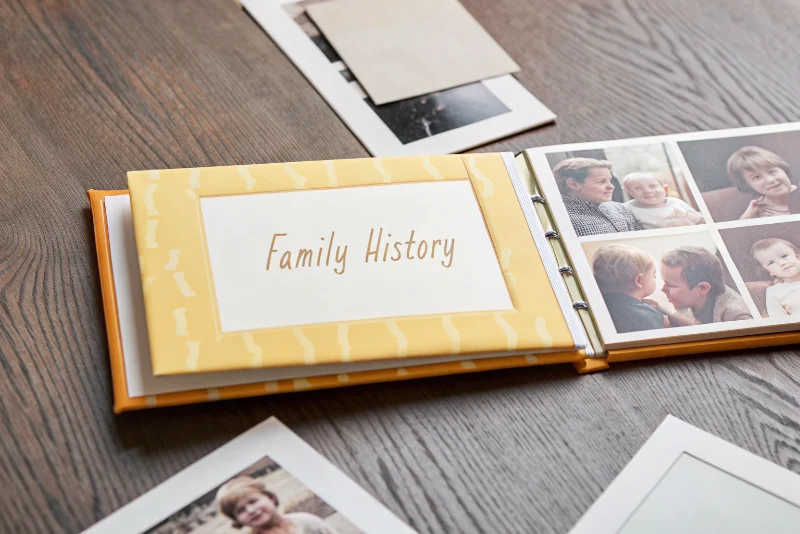
From my perspective, working with photo albums, I've seen firsthand that they are far more than just collections of images. They are powerful tools for building and reinforcing connections, especially within families. In a world increasingly dominated by digital screens and fleeting online interactions, the photo album book stands out as a unique and vital medium. It has a special ability to bring people together, creating shared experiences5 and deepening bonds in ways that digital photos often cannot. This isn't just a nostalgic sentiment; it's a practical observation of how these tangible books operate as anchors for our personal and collective histories, helping us to navigate the complexities of modern relationships. The simple act of flipping through pages together becomes a ritual of connection, something truly special.
Do you sometimes feel that your family's rich history and personal stories remain abstract, difficult for younger generations to fully grasp or for everyone to easily recall? The core problem with unrecorded or solely oral history is its ephemeral nature, making it challenging for family members to vividly connect with their collective past, weakening a sense of shared identity and belonging that only a concrete visual guide can truly solidify.
A photo album book serves as a vital visual roadmap6 of shared family history because it transforms abstract family narratives into concrete, tangible imagery, allowing members to directly access and understand their collective past and heritage, thereby strengthening the "we are family" identity and fostering a deep sense of belonging and continuity.
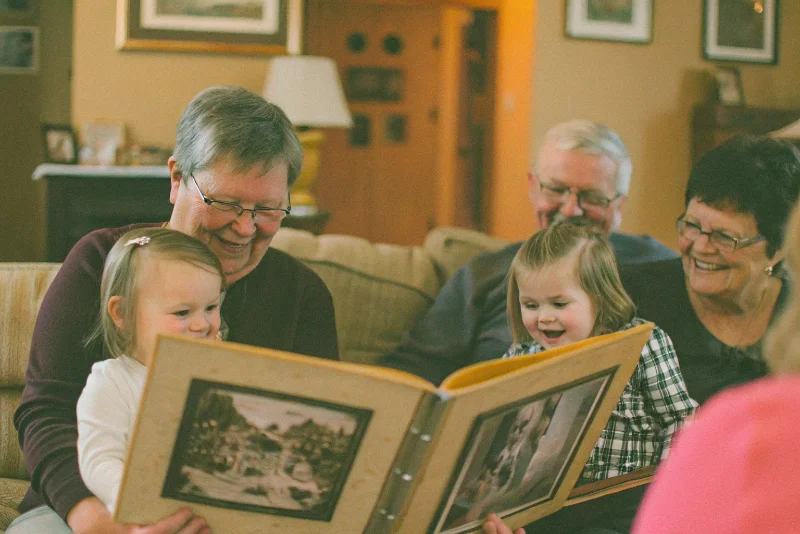
In my experience, a photo album book truly is a visual roadmap of shared memories. It takes something as abstract as family history and turns it into concrete images. When family members, especially children, look through an album, they see pictures of grandparents, parents, aunts, and uncles from different stages of life. They see old homes, family vacations, and celebrations. This visual journey helps everyone, particularly younger generations, to understand where they come from. It's not just stories heard but "seen." This makes the family's past more real and more relatable. It helps to reinforce the idea that "we are a family," giving everyone a stronger sense of identity and belonging. The album shows the evolution of the family over time, making history feel personal and living. It's like a tangible timeline that everyone can participate in, pointing out familiar faces and places, and sharing anecdotes that might otherwise be forgotten. This shared viewing experience is very powerful for solidifying family bonds.
| Aspect of Connection | How Photo Album Book Contributes | Benefit for Family Members |
|---|---|---|
| Visualizing History | Transforms abstract family anecdotes into concrete images of people, places, and events. | Helps younger generations understand roots; offers tangible context. |
| Reinforcing Identity | Shows continuity of family experiences over time, highlighting shared journey and heritage. | Strengthens "we are a family" feeling; fosters sense of belonging. |
| Facilitating Storytelling | Acts as a prompt for verbal stories, encouraging shared narratives and intergenerational dialogue. | Promotes communication; creates shared discussion points. |
| Creating Empathy | Seeing family members in different life stages builds understanding and appreciation for individual journeys. | Deepens emotional bonds; fosters compassion and mutual respect. |
Do you sometimes feel a disconnect when trying to recall the exact emotions and warmth from past significant moments, finding that digital photos often lack the tangible trigger needed to fully transport you back? The root of the problem is that without a physical artifact to ground these memories, the powerful emotional resonance of key life events can fade, making it harder to truly relive the joy and reinforce the bonds those moments forged.
A photo album book acts as a powerful anchor for shared emotion and connection because it tangibly preserves critical life moments, allowing individuals to revisit and vividly re-experience the joy and warmth captured in each image, thereby serving as a constant reminder to cherish relationships and rebuild the emotional map between family members by solidifying fleeting time into touchable, meaningful fragments.
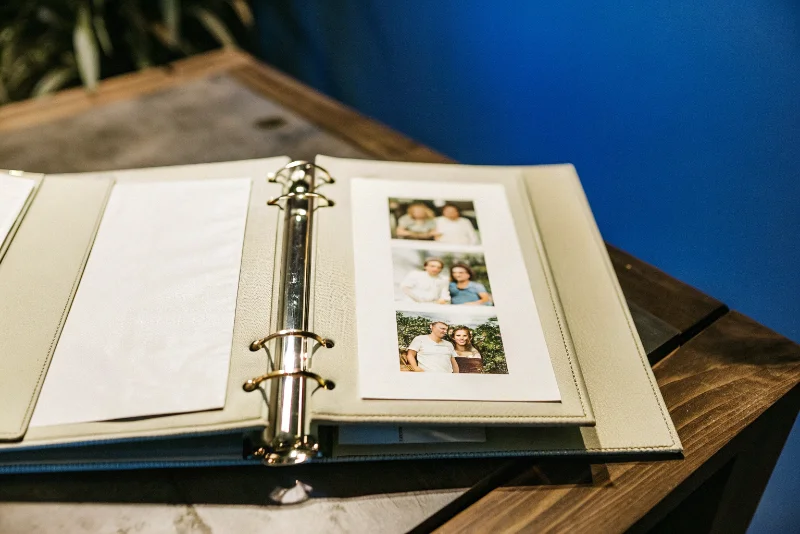
From my unique perspective, working with the physical creation of these albums, I have come to understand that a photo album book1 functions as a powerful emotional anchor. Photos within an album often capture pivotal life moments – a wedding, a child's first step, a significant family gathering, or a cherished vacation. When we open an album and look at these pictures, we don't just see the image; we often re-experience the emotions associated with that moment. The joy, the warmth, the laughter – it all comes flooding back. This act of revisiting memories, especially together with loved ones, is incredibly potent. It serves as a gentle reminder to cherish the relationships we have and to appreciate the shared experiences that bind us. The true essence of a photo album is its ability to materialize family memories, taking the flowing river of time and freezing it into tangible, accessible fragments. When we review these fragments, we are, in a way, reconstructing the emotional map7 of our family members. In today's fast-paced, technology-driven world, where relationships can sometimes feel strained or distant due to constant digital interaction, preserving this "warm form of memory" might just be the perfect antidote to relational disengagement. It powerfully reminds us that those shared moments of laughter, tears, and milestones will ultimately become the softest yet strongest threads that connect us all. It's a physical artifact that continuously whispers tales of love, resilience, and growth, ensuring that no precious feeling is ever truly lost.
| Aspect of Connection | How Photo Album Book Contributes (Emotional Anchor) | Benefit for Family Members |
|---|---|---|
| Re-experiencing Joy | Each photo acts as a trigger to recall and re-feel the emotions of past happy moments. | Boosts mood; reinforces positive shared history. |
| Promoting Gratitude | Reminds individuals of cherished relationships and positive experiences. | Fosters appreciation for family; strengthens bonds of love. |
| Tangible Comfort | Physical presence offers a sense of stability and permanence for memories. | Provides emotional security; offers comfort in challenging times. |
| Shared Reflection | Encourages collective discussion and interpretation of past events. | Deepens understanding of family dynamics8; builds empathy. |
Conclusion
A photo album book1 is truly more than just pictures; it is a powerful force for connection. By visualizing shared family history and acting as a tangible anchor for emotions, it strengthens identity, rebuilds emotional maps, and reminds us that shared laughter and significant moments form the strongest bonds in our relationships.
References
Explore how a photo album book can enhance family bonds and preserve memories in a tangible way. ↩
Learn why physical representations of memories can enhance emotional connections among family members. ↩
Find out how emotional anchors can help maintain strong family ties and connections. ↩
Explore ways to foster gratitude within families through the sharing of memories. ↩
Discover how shared experiences create lasting memories and strengthen family ties. ↩
Understand the significance of visual roadmaps in making family history accessible and relatable. ↩
Explore the concept of emotional maps and their role in strengthening family relationships. ↩
Learn about the various factors that shape family dynamics and relationships. ↩