Are you feeling overwhelmed by the endless scroll of digital photos, struggling to find real connection with your memories? The common problem for many people is that while digital images are convenient, they often lack the tangible1, heartfelt presence of physical photographs, leaving us yearning for a more intimate and lasting way to cherish our most precious moments.
A Polaroid photo album2 transforms fleeting digital moments into tangible, enduring keepsakes, offering a unique, interactive experience3 that deepens our connection to memories by providing a physical, touchable timeline of our lives, allowing us to actively engage with and relive cherished instant prints4 away from electronic screens.
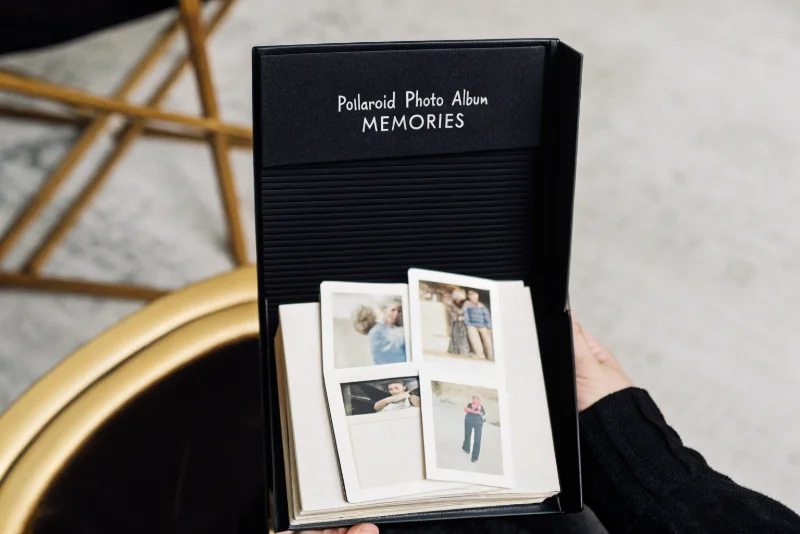
I’ve always been drawn to the immediate gratification of a Polaroid camera. There’s something truly magical about watching an image slowly develop in your hands. But what happens after that fleeting moment of instant joy? For me, the real magic begins when I place that picture into a dedicated Polaroid photo album. It transforms a single, ephemeral snap into a permanent fixture in a story, giving these memories a tactile "life force" that digital files simply cannot replicate. In a world awash with endless digital images on our phones and computers, a physical photo album offers a much-needed escape from the screen. When I open an album, I’m not just looking at pictures; I'm feeling the texture of the paper, enjoying the unique, slightly irregular border of each print, and experiencing a truly genuine interaction with my past. It’s like touching the very fabric of time, making every flip of a page a journey back to that specific moment.
How Do Polaroid Photo Albums Bring Memories to Life?
Do your digital photo archives feel like an endless, impersonal black hole, making it difficult to genuinely revisit cherished moments? The problem with purely digital photo collections is their lack of physicality, which often leads to memories becoming lost in a vast, untouchable cloud, preventing the deep, emotional engagement that tactile objects can provide, leaving us longing for a more authentic connection to our past.
Polaroid photo albums bring memories to life by providing a tangible, screen-free interaction with cherished moments, allowing us to physically touch and turn pages, thereby transforming fleeting instant prints into a vibrant, accessible timeline that fosters a deeper, more personal connection than digital viewing ever could.
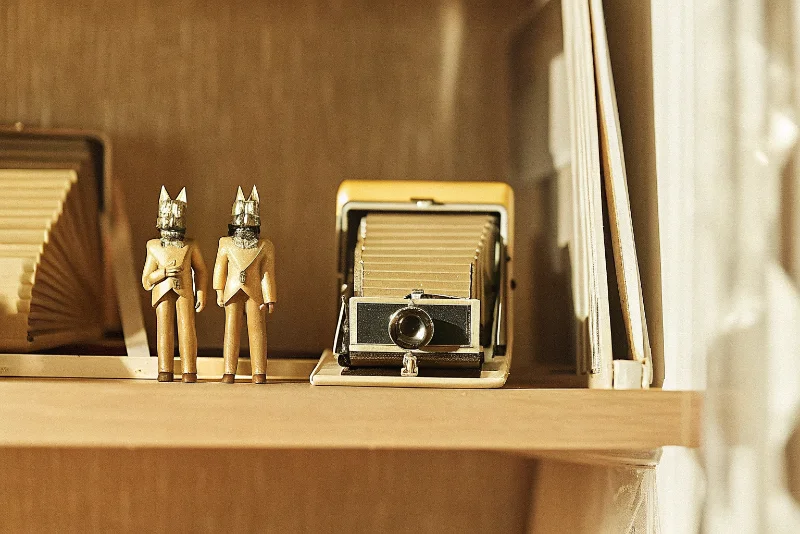
From my own experience, simply swiping through an album on a phone or computer screen, while convenient, often feels distant and less impactful. There’s a distinct difference when I hold a physical Polaroid print in my hand. It’s like a small window back in time, tangible evidence of a moment that once was. When I arrange these prints in an album, I’m not just organizing them; I’m curating a narrative5. The act of choosing where each photo goes, writing a small caption next to it, or even drawing a tiny doodle, all contribute to building a personal archive6 that feels richly alive. Each time I open that album, I’m not just recalling a memory; I’m reliving it with all my senses. The slightly faded color, the unique texture of the instant film, the way the light catches the surface—these subtle details create a multi-sensory experience7 that anchors the memory more firmly in my mind. It’s a very personal ritual, far removed from the fleeting nature of social media feeds or anonymous cloud storage. This tangible presence is what gives these memories a "life force," making them feel truly substantial and deeply personal to me.
| Feature of Polaroid Albums | How it Brings Memories to Life | Contrast with Digital Photos | Impact on User Engagement |
|---|---|---|---|
| Tangible Form | Physical prints you can hold, touch, and feel. | Digital images are intangible, viewed only through screens. | Creates a deeper, more sensory connection to the memory. |
| Interactive Process | Placing prints, writing captions, personalizing pages. | Passive scrolling; often no physical interaction. | Fosters active engagement and a sense of ownership over the memories. |
| Curated Narrative | Arranging photos to tell a story or theme. | Random order in digital folders; often overwhelming to sort. | Helps create a coherent story; memories feel more organized and meaningful. |
| Screen-Free Experience | A break from digital devices; focus solely on the images. | Constant distractions from notifications, other apps, eye strain. | Promotes mindfulness and full immersion in the memory-recollection process. |
| Shared Experience | Easy to pass around and share prints with others. | Requires sharing devices or sending files; less spontaneous and personal. | Encourages communal storytelling and bonding over shared pasts. |
Why Are Polaroid Albums Essential Guardians of "Realness" in a Digital Age?
Do your digitized memories often feel ethereal and lacking a solid anchor in your personal history? The profound truth is that in an era dominated by transient digital content, our rapidly accumulating photos often lose their emotional weight8 and "realness" when confined to screens, making us crave a way to safeguard the authentic essence of our most cherished moments from becoming just another fleeting pixel.
Polaroid albums serve as essential guardians of "realness" by transforming fleeting digital moments into tangible, warm "time capsules," offering a vital counterpoint to the digital deluge and preserving the authentic essence and emotional weight of our lives in a physical, shareable format that reinforces genuine connection and personal history.
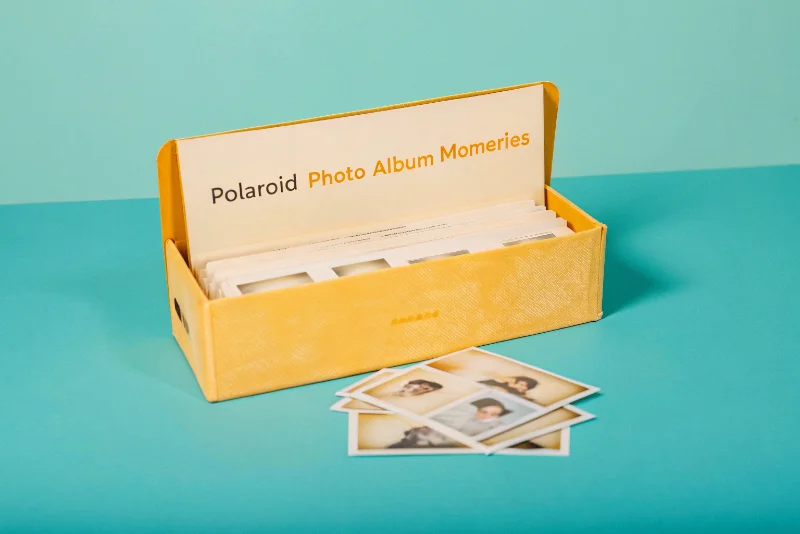
I have always felt that in the current tidal wave of digital everything, it is incredibly easy for memories to feel less significant, almost disposable. We snap hundreds of photos, they get uploaded to the cloud, and then they often just sit there, rarely revisited. This is where Polaroid photo albums step in as something very special for me. They convert those easy-come, easy-go moments into something concrete, something that possesses a genuine "weight" – both physical and emotional. Think of it this way: a digital file is just data, a string of ones and zeros. But a Polaroid print is an object, a unique artifact9 of a specific time and place. It’s a “specimen of time,” a tactile piece of history that I can hold, share, and even pass down. This physicality is what makes it feel so real. It’s not just an image; it’s a tiny piece of the past that exists independently of any screen or device. When I flip through my Polaroid album, I am not just seeing events; I am reconnecting with the very "authenticity" of those moments. The slightly faded colors, the accidental blotch, or the imperfect cropping all contribute to its unique character, making each photo a warm, personal artifact. This stands in stark contrast to the often sterile perfection of digital images. It is this inherent "realness" and emotional "weight" that a Polaroid album champions, helping us not only remember but truly feel the significance of our life's journey.
| Aspect of Polaroid Albums | How it Safeguards "Realness" | The Digital Contrast | Emotional & Historical Impact |
|---|---|---|---|
| Tangible Artifact | Each print is a unique, physical object not just data. | Digital images are easily duplicated, stored as abstract files. | Establishes a concrete connection to the past, grounding memories. |
| Limited Quantity | Encourages thoughtful selection due to finite prints. | Unlimited digital storage fosters indiscriminate shooting. | Each photo feels more precious and carries greater personal significance. |
| Emotional Weight | Physical presence lends gravity and sentimental value. | Digital files can feel ephemeral and easily lost or forgotten. | Deepens emotional resonance10, memories feel more substantial and cherished. |
| Durability & Archival | Physically preserved prints last for generations. | Digital files are vulnerable to corruption, format changes, obsolescence. | Provides a lasting legacy; a historical record11 that transcends technology. |
| Authentic Imperfection | Unique flaws add character and authenticity. | Digital editing often strives for perfect, sometimes artificial, images. | Celebrates raw, unedited moments, making memories feel more genuine. |
Conclusion
Polaroid photo albums offer a profound escape from digital overload12, transforming instant prints into tangible1, interactive memories. By bringing a unique "life force" to our past and serving as vital guardians of "realness," these albums cement emotional connections to our history in a way that purely digital photos cannot, ensuring instant joy evolves into lasting, cherished memories.
References
Discover the significance of tangible memories and how they can enrich your emotional connection to the past. ↩
Explore how Polaroid photo albums can enhance your memory-keeping experience and provide a tangible connection to your past. ↩
Learn about the value of engaging with photos in a hands-on way and how it deepens your connection to memories. ↩
Find out how instant prints create a unique experience compared to digital images and why they matter. ↩
Explore the art of storytelling through curated photo albums and its impact on memory retention. ↩
Discover the advantages of maintaining a personal archive and how it can enhance your life story. ↩
Explore how engaging multiple senses can enrich memory recall and make experiences more vivid. ↩
Explore the emotional significance of physical photographs and how they anchor memories in our lives. ↩
Learn about the characteristics that make Polaroid prints special and their significance in memory keeping. ↩
Learn about the connection between emotional resonance and memory retention, and its importance. ↩
Understand the significance of preserving memories as a historical record for future generations. ↩
Explore the impact of digital overload on our ability to connect with memories and how to combat it. ↩