Are your old printed photos fading, yellowing, or even sticking together? It's a common problem that can feel overwhelming when you want to protect those precious memories!
To make old printed photos last longer, store them in acid-free albums1 or boxes, keep them away from direct sunlight and humidity, and perform regular checks for damage, as these steps collectively protect them from common environmental threats and chemical degradation2.
As someone who helps people preserve their most cherished memories, I understand the emotional weight these photos carry. They are more than just paper; they are tangible links to our past. Let me share how you can protect these fragile pieces of history.
What is the Best Type of Photo Album for Storing Old Photos?
Are you wondering which kind of album works best to keep your old photos safe? Choosing the right album is the first crucial step in preventing further damage.
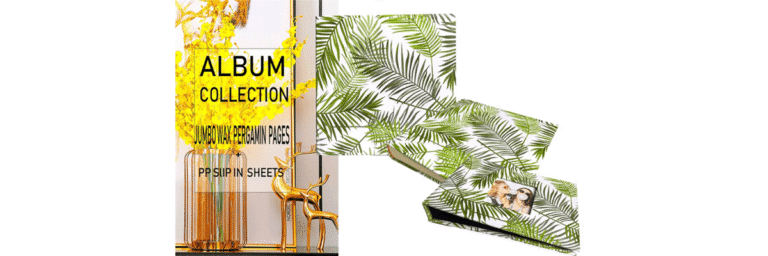
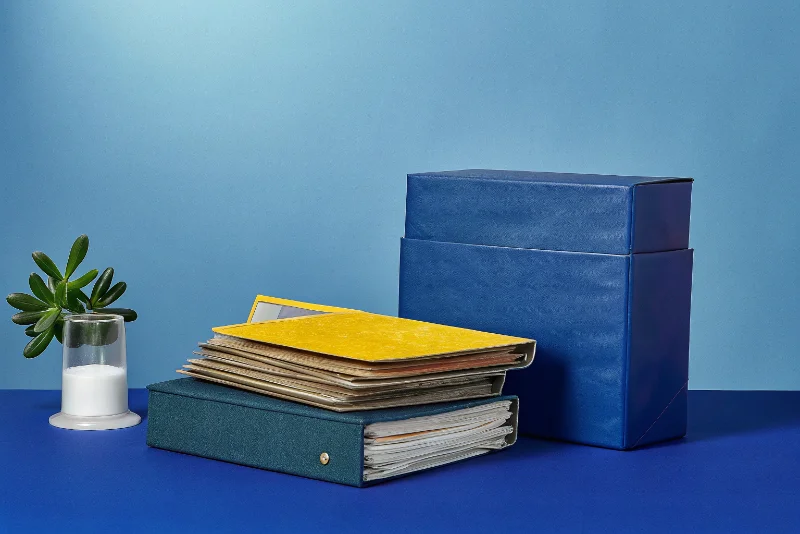
The best type of photo album for storing old photos is an acid-free or low-acid album, such as wax paper albums3 or paper-core page albums4, because these materials prevent photos from yellowing, fading, and degrading over time due to chemical reactions.
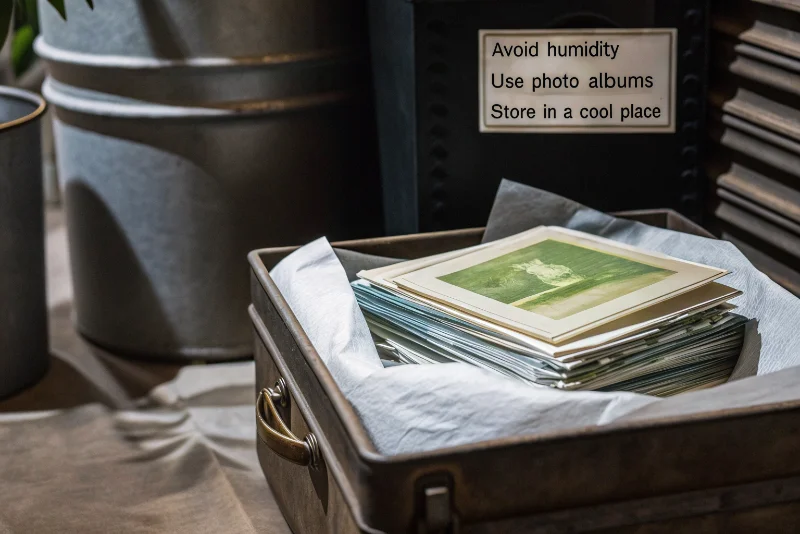
I often see customers coming in with old photos that have suffered because they were stored in regular, acidic albums. These cheaper albums are fine for new prints that you do not expect to last for decades, but for historical photos, they are actually doing more harm than good. I always explain that the paper itself is where the danger comes from. Acidity in paper causes photo deterioration5, leading to discoloration and brittleness. This is why specialized albums are not just a recommendation but a necessity for long-term preservation.
Why Are Acid-Free Albums Crucial for Photo Preservation?
Acid-free albums are often called archival-quality albums6 for a very good reason. They are designed to be chemically stable. The biggest enemy of old photos is acid, which is naturally present in many common papers and glues. Over time, this acid reacts with the chemicals in your photos, causing them to yellow, fade, and become brittle. Acid-free albums are made from materials that have a neutral pH level, meaning they will not cause these damaging chemical reactions. When I explain this to customers, I often compare it to preserving food: you would not store something delicate in a container that will spoil it. For photos, acid-free materials are like a sterile environment. They are essential to prevent the photos from rapidly aging and deteriorating. Wax paper albums often have clear, acid-free sleeves, while paper-core albums use archival-safe paper for their pages. Investing in these ensures that your photos will not just be stored, but truly preserved.
| Feature | Acid-Free Album | Regular Album | Impact on Photos | Recommendation |
|---|---|---|---|---|
| Material pH | Neutral (pH 7.0 or higher) | Acidic (pH below 7.0) | Acid-free: Prevents degradation; Regular: Causes yellowing, fading | Essential |
| Longevity | Preserves for centuries | Degrades within decades | Acid-free: Long-term protection; Regular: Shortens photo lifespan | High |
| Cost | Higher | Lower | Acid-free: Investment in preservation; Regular: Cheaper but poses risk | Consider |
| Examples | Wax paper, paper-core, archival boxes | Most retail albums, magnetic albums | Acid-free: Safe storage; Regular: Avoid for old photos | Avoid |
What Specific Album Types Are Recommended, and Why?
Beyond being simply "acid-free," some specific album designs offer superior protection. I have seen how effective they are. Wax paper albums are a fantastic choice because they often feature individual sleeves or pages with wax paper inserts that keep photos from touching each other directly. This prevents images from sticking together, especially in humid conditions. Another excellent option is paper-core page albums4, where each page itself is made from acid-free paper. These are durable and provide a stable environment for your prints. I often tell people to avoid older "magnetic" photo albums, which might seem convenient but often use acidic glues and PVC plastic that can severely damage photos over time. These recommended album types act as a physical barrier against environmental threats7 while chemically stabilizing the photos within.
What Environmental Factors Damage Old Photos, and How Can I Protect Them?
Have you ever noticed your old photos getting sun-damaged or moldy? Environmental factors are huge destroyers of photographs.
Light and UV radiation8 are the primary enemies of old photos, so you must always store them in a dark, dry, and cool environment to prevent fading and discoloration, ensuring they are shielded from direct sunlight and excessive humidity.
I cannot stress this enough: light, especially direct sunlight and UV rays, is the number one enemy of printed photographs. Think of it like this: leaving a piece of paper in the sun for an hour is not a big deal, but leave it for a week, and it is bleached. Photos are even more sensitive. I have seen priceless family heirlooms irreversibly damaged by being displayed openly or stored in bright areas. It breaks my heart every time. Beyond light, humidity also plays a major role in photo degradation, leading to mold growth9 and physical damage.
How Does Light and UV Radiation Damage Photos?
Light, particularly ultraviolet (UV) light, can cause irreversible damage to old photographs. It is like a slow, silent killer for your historical prints. UV radiation8 breaks down the dyes and pigments that make up your image, causing colors to fade, shift, or completely disappear. Areas exposed to more light will degrade faster than those protected. This is why old photos often look washed out or yellowed on the edges. I always advise clients to keep photos out of direct sunlight and away from strong artificial lights. Storage in dark boxes or albums, inside a closet or cabinet, is ideal. Imagine your photo as a tiny plant that wilts under too much sun; it needs shade to thrive for a long time. Protecting them from light is one of the easiest and most effective ways to ensure their longevity.
Why is Climate Control Important for Photo Longevity?
Humidity and temperature fluctuations are silent threats that can wreak havoc on your prints over time. Photos need a stable environment. High humidity can cause mold and mildew to grow on your photos, leading to irreversible stains and degradation of the paper and emulsion layers. It can also cause photos to stick together, making them impossible to separate without damage. On the other hand, very dry conditions can make photos brittle, causing them to crack easily. Extreme temperature changes, like those in attics or basements, cause materials to expand and contract, which can lead to warping and cracking. I advise storing photos in a cool, dry place with stable temperature and humidity levels. A climate-controlled living space or interior closet is often more suitable than a garage, attic, or basement. Using silica gel packets in storage boxes can help absorb excess moisture in humid environments.
How Can Regular Checks Help Preserve Your Photo Collection?
Do you ever just store photos away and forget about them? Regular checks can prevent small problems from becoming big disasters.
Inspecting your stored photo collection once a year is crucial for early detection of issues like mold, insect damage10, or sticking, allowing for timely intervention that can prevent minor problems from escalating into irreparable damage and preserve your cherished memories.
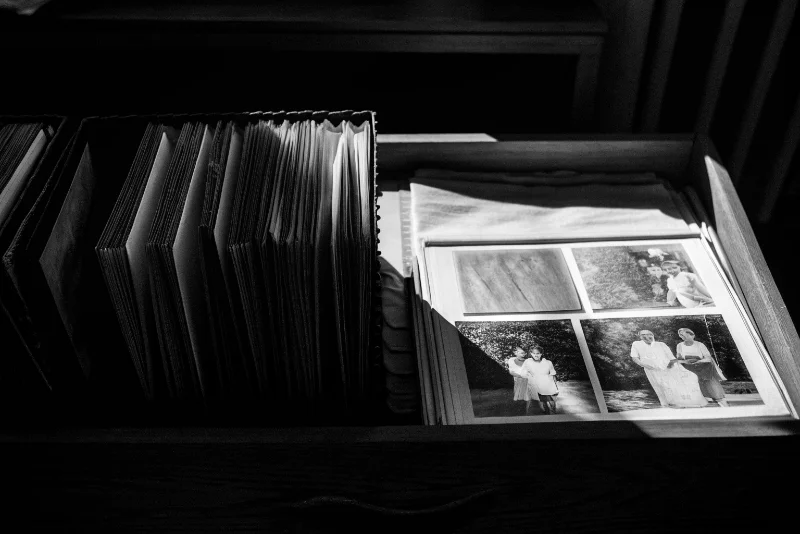
Many people think once photos are stored, the job is done. But I have learned from experience that even the best storage methods can encounter problems. Things like a sudden leak, an unnoticed insect infestation, or just the natural aging process can still affect your photos. Regular checks are not about distrusting your storage; they are about being proactive. Catching an issue early can be the difference between saving a photograph and losing it forever. It is a small time investment that pays off immensely in the long run.
What Should You Look for During Annual Photo Checks?
When you check your photos, there are specific signs of damage you should watch out for. Knowing what to look for makes the process much more effective. First, look for any signs of mold or mildew, which appear as fuzzy spots, often black, green, or white. This indicates a humidity problem. Second, check for signs of insects, such as tiny holes, chewed edges, or insect droppings; silverfish and booklice love paper. Third, gently test if photos are sticking together. If they are, it is a sign of high humidity or problems with the album materials. Also, observe for unusual yellowing or fading that was not present before, which might suggest light exposure11 or acid migration. If you find any issues, address them immediately. For mold, carefully isolate the affected photos and consult a conservator. For sticking photos, do not force them apart; professional intervention might be needed. Early detection is key to successful intervention.
Why is Prompt Action Important When Problems Are Found?
Finding a problem with your stored photos can be alarming, but acting quickly is essential. Delay can lead to permanent loss. If you find mold, insects, or sticking issues, prompt action can prevent the damage from spreading to other photos in your collection. For example, if you notice mold on one photo, immediately isolate it from the rest to prevent spores from contaminating healthy prints. Addressing humidity issues right away, such as by adding desiccants or moving the collection to a drier location, can stop further mold growth9. If photos are sticking, trying to peel them apart yourself can cause tears; a conservator might have specialized techniques to separate them safely. I often tell customers that overlooking a small crack in the dam will lead to a flood. Small problems left unaddressed will undoubtedly become big, irreversible ones.
Conclusion
Storing old printed photos well involves using acid-free albums1, protecting them from light and moisture, and conducting annual checks. This careful approach guards not just paper, but also your family's precious history and emotional links.
References
Explore the advantages of acid-free albums to ensure your photos are preserved without damage. ↩
Discover the causes of chemical degradation in photos and how to prevent it. ↩
Explore how wax paper albums can provide superior protection for your cherished photos. ↩
Learn about the benefits of paper-core page albums for long-term photo storage. ↩
Learn to identify signs of photo deterioration to take timely action. ↩
Understand the significance of archival-quality albums for long-term photo preservation. ↩
Understand the environmental threats to photographs and how to protect them. ↩
Understand the impact of UV radiation on photographs and how to shield them. ↩
Learn about the causes of mold growth on photos and how to prevent it. ↩
Learn about insects that can harm your photos and how to protect against them. ↩
Explore the effects of light exposure on photographs and how to minimize damage. ↩