Have you ever wondered how your brand's unique identity, like a distinctive logo or vital company information, finds its way onto photo albums produced in vast quantities, transforming a generic product into a powerful advertising tool? The problem is effectively embedding these custom details into every album, ensuring high quality and consistency across thousands of units, making you question the specific manufacturing processes that achieve this tailored branding at scale.
Manufacturers integrate logos and other custom information into high-volume photo album production by employing a range of specialized techniques such as stamping, UV printing, embossing, and silk-screen printing directly onto covers, and screen-printing logos onto paper linings and slip-in album pages, all while also utilizing custom packaging solutions like branded corner protectors or barcode labels to ensure comprehensive brand visibility.
My experience as a ghostwriter for creative businesses tells me that for businesses buying photo albums in bulk, customization is key. It is not just about getting a product. It is about getting their product. My clients always want to embed their company's information, logo, barcode, or address into the albums they purchase. This is not just about personalizing the product. It is a smart marketing strategy1. By integrating their branding, these albums become walking advertisements, extending their influence and brand recognition2 with every sale. This is why understanding the various methods manufacturers use is very important. It ensures that the final product is not just a container for photos, but a powerful extension of the client's brand. It is about turning a simple item into a potent marketing asset that continues to promote their business long after the initial purchase.
What Common Techniques Are Used for Logo Application on Album Covers?
When you manage bulk orders of photo albums, do you think about the different ways a company logo can be applied to the cover, and which method best shows your brand's quality? The problem with choosing the right technique is that each option offers distinct visual and durability characteristics3, and picking the wrong one can lower your brand's image or fail over time, leaving you unsure about the most effective look for your bulk album orders.
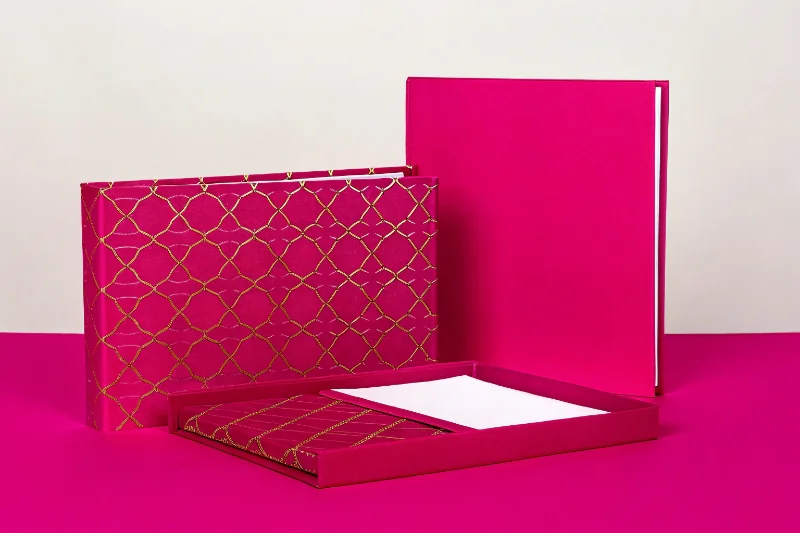
For bulk photo album covers, manufacturers commonly use several techniques to apply logos, each offering unique visual and tactile qualities. Stamping (hot foil stamping4), UV printing, embossing5, and silk-screen printing are the primary methods, ensuring a durable and professional integration of custom branding onto the album's exterior.
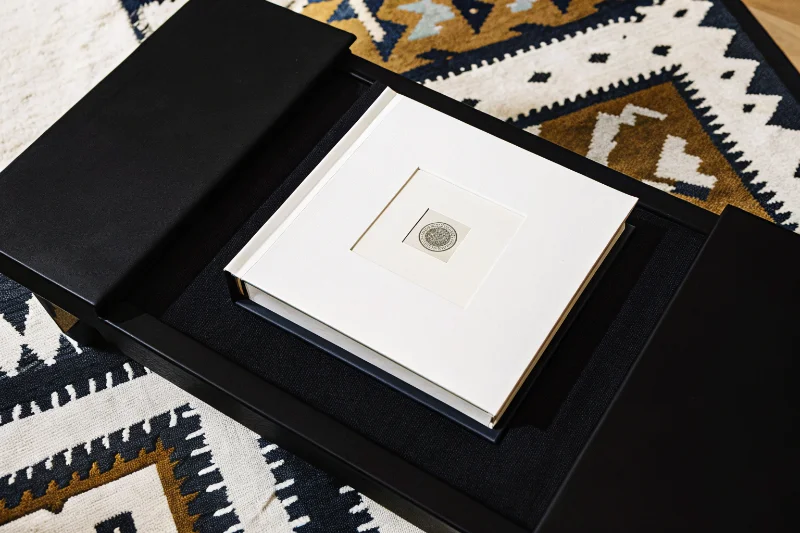
From my talks with manufacturers and designers, I have learned that the cover is the face of any album. For bulk orders6, putting a logo onto this face needs precision and the right technique. The choice of method depends on the look wanted, how long it lasts, and the album material itself. Stamping, especially hot foil stamping, is a popular choice. This process uses heat and pressure to put metallic or colored foil onto the cover. It creates a luxurious, often shiny, effect. I like how it gives a premium, sophisticated feel to a logo. Then there is UV printing7, where liquid plastic is applied and then hardened with ultraviolet light. This method allows for full-color logos and fine details, making it good for complex designs and offering great durability. It is good for bright, eye-catching logos. Embossing means making a raised or sunken (debossing) design on the material without using ink or foil. For me, it adds an elegant, touchable size that feels very professional and quiet. Lastly, silk-screen printing8 pushes ink through a woven mesh stencil onto the album cover. This is a cheap way for solid color logos and offers good darkness, especially on darker materials. Each technique offers clear benefits. Choosing the best one often means matching the brand's image with the album's material and budget. My client just needs to explain their idea, and we can find the perfect match.
| Technique | Description | Key Benefits | Ideal for |
|---|---|---|---|
| Stamping | Uses heat and pressure to apply metallic or pigmented foil. | Luxurious, reflective finish; durable; available in various colors. | Premium branding, metallic logos, elegant designs. |
| UV Printing | Applies liquid plastic ink, cured by UV light for instant drying. | Full color, high detail, durable; can print on various materials. | Complex logos, photographic quality, vibrant colors, faster production. |
| Embossing/Debossing | Creates a raised (emboss) or recessed (deboss) relief. | Elegant, tactile, subtle branding; no color needed; premium feel. | Sophisticated brands, minimalist designs, adding texture. |
| Silk-Screen Printing | Ink is pushed through a stencil onto the surface. | Cost-effective for solid colors; good opacity; versatile. | Simple, bold logos, large quantities, opaque colors. |
How Can Inner Pages and Linings Be Used for Logo Integration?
Have you thought that beyond the album cover, the inside parts of a photo album offer more places for subtle brand building, making you wonder how these areas can be used for logo integration? The problem is finding which inside parts can technically hold logo printing and then using these spaces creatively to strengthen brand identity without taking away from the photos. This leads you to look for new ways to show your brand more.
Inner pages and linings can effectively use logo integration by printing logos directly onto the paper-based endpapers or inner linings, as well as on the individual slip-in photo pockets or inserts within the album, offering quiet but consistent brand exposure throughout the album's inside.
My clients know that opportunities for branding are also inside the album. It is not just about the cover. The inside parts give a quiet but constant reminder of their brand. If the album has paper flyleaves or inner linings, I always suggest that their logo can be nicely printed directly onto these surfaces. This often uses standard offset printing9, which is good for detailed and colored logos on paper. This method gives a refined touch as soon as the album is opened, making the brand identity stronger without being too obvious. Also, for albums that use slip-in photo pockets or inserts—the ones with paper cores—the empty spaces directly on these paper cores also offer a chance. Here too, logos can be printed, maybe in a quiet watermark style or as a repeating pattern. This way ensures that with every turn of a page, or every time a photo is put in or taken out, the brand is quietly there. It is a great way to show the brand throughout the whole product, ensuring a consistent and professional feel from cover to cover. These internal branding points add much value and make the client's message stronger every time the album is used.
| Internal Album Component | Method of Logo Integration | Benefits of Placement | Examples of Use |
|---|---|---|---|
| Paper Linings/Endpapers | Offset Printing, Digital Printing | Subtle, sophisticated branding; first point of contact inside album. | Company logo, mission statement, contact information. |
| Slip-in Page Cores | Offset Printing, Digital Printing | Consistent branding throughout; visible with every page turn. | Watermark logo, subtle pattern, small brand icon. |
What Other Creative Methods Can Enhance Logo Visibility in Bulk Orders?
Beyond the album itself, have you thought about how extra packaging and accessories can be branded well to show your company's visibility for bulk photo album orders, ensuring your logo is seen even before the product is opened? The problem here is finding these less obvious branding points and cleverly putting your logo and information onto them, turning useful items into more marketing assets10 and making your brand stronger overall.
Other creative methods to enhance logo visibility in bulk orders include branding accessory items such as custom-printed corner protectors, which come in various styles like long strips, triangles, or vertical strips, and using special barcode stickers that feature the company logo and information, effectively turning these useful items into more marketing chances.
I have learned that real branding goes beyond the main product. Many of my clients are looking for every chance to make their mark. For bulk photo album orders, a very good and popular method involves putting logos and company information onto accessories, especially corner protectors. These come in several styles—long strip corner protectors that go along edges, triangular corner protectors that cover each corner, and vertical strip corner protectors. My clients can print their logo directly onto these often-missed but important protective items. This is a smart move because these corner protectors are often seen while the albums are still in their package or on display. It is a small detail, but it shows care and strengthens branding. Another common and very useful way is to put the logo and company information on barcode labels. These sticky labels are needed for stores, but they do not have to be just for use. By putting the company logo and branding next to the barcode, they become another quiet point of brand recognition2. It is like a small advertisement on every product. My advice to clients is always simple: tell me your needs, and I will give several practical choices. We will work together, looking at these creative ways until we find the perfect solution that leaves no branding chance unused and gives the best result.
| Method | Description | Branding Impact | Types/Styles |
|---|---|---|---|
| Custom Corner Protectors | Printed or embossed protective pieces for album corners. | Brand visibility during transport and display; perceived quality. | Long strip, triangular, vertical strip (various materials). |
| Branded Barcode Labels | Barcode stickers that also feature company logo and info. | Essential retail function combined with subtle brand reinforcement. | Standard adhesive labels, custom shapes, specific finishes. |
Conclusion
Manufacturing partners carefully put logos into high-volume photo album production through strong methods like stamping, UV printing, embossing on covers, printing on inner linings, and even branding accessories11. This full plan ensures that every album not only keeps memories safe but also clearly shows client branding12.
References
Discover how integrating branding into photo albums can serve as an effective marketing tool. ↩
Explore strategies to improve brand recognition using products like photo albums. ↩
Explore the durability of different printing techniques to ensure long-lasting branding. ↩
Discover how stamping can elevate your branding with luxurious finishes on photo albums. ↩
Understand how embossing adds a tactile quality to branding, enhancing the overall product appeal. ↩
Learn about the complexities involved in fulfilling bulk orders and maintaining quality. ↩
Find out how UV printing can create vibrant, durable designs for your photo albums. ↩
Explore the versatility of silk-screen printing for creating bold, eye-catching logos on photo albums. ↩
Discover the advantages of offset printing for high-quality logo integration in photo albums. ↩
Learn how to transform everyday products into powerful marketing tools. ↩
Discover various accessories that can be branded to enhance overall product visibility. ↩
Discover methods to ensure client branding is prominently displayed in products. ↩