
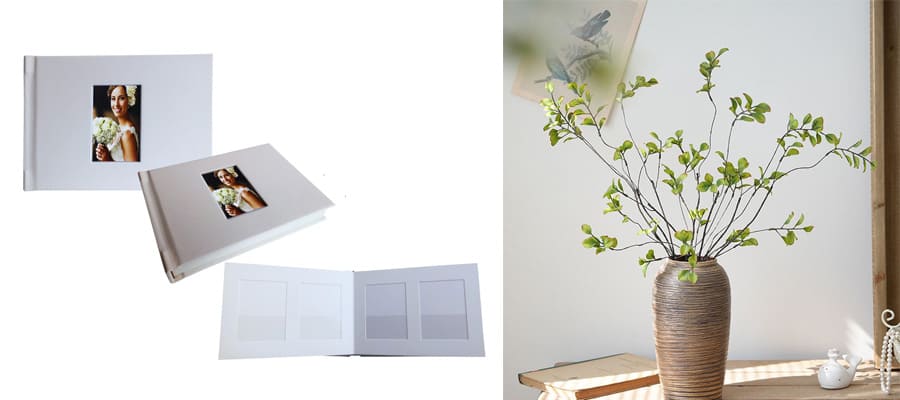
Your first batch of photo albums1 is finally ready in China. But now you face a new challenge: a confusing world of shipping terms and costs. You are worried that one wrong choice could erase all your hard-earned profit.
For heavy products like photo albums, avoid air freight2. Use standard sea freight3 for orders over 3 cubic meters (CBM). For smaller orders under 3 CBM, the best option is a hybrid "Sea + Express" service that combines ocean shipping with local courier delivery.
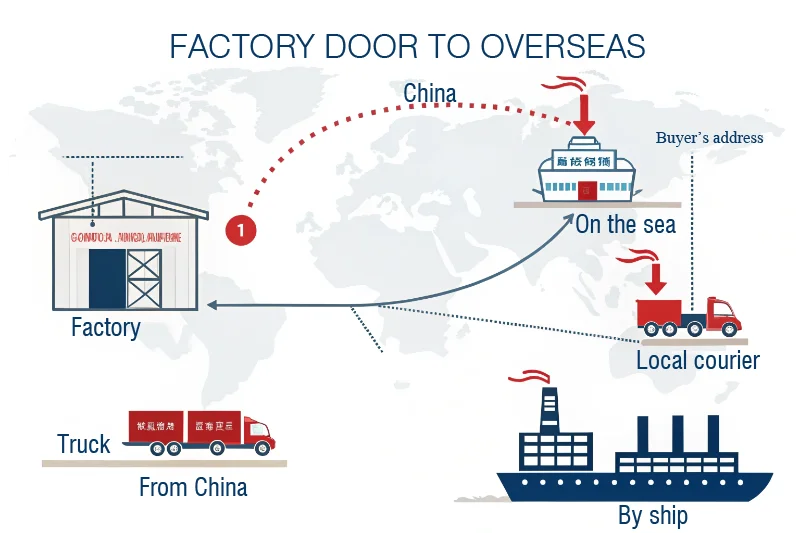
I have seen it happen many times. A new importer negotiates a great product price, but they don't plan for shipping. They get a shipping bill that is more than the cost of the goods, and their first import project4 becomes a loss. The truth is, shipping isn't complicated when you have a clear plan. It all comes down to your order volume and how much convenience you need. This is the roadmap we provide all our clients to ensure their products get from our factory floor to their front door safely and, most importantly, profitably. Let's walk through the exact steps.
Why is Air Freight a Costly Mistake for Products Like Photo Albums?
You need your products fast and think air freight is the obvious answer. But when the invoice arrives, the cost is shockingly high, destroying your budget and potential profit.
Air freight is priced mainly by weight. Heavy goods like photo albums become incredibly expensive to ship by air. The shipping cost can easily exceed the actual value of the products, making it a poor choice for your bottom line and overall profitability.
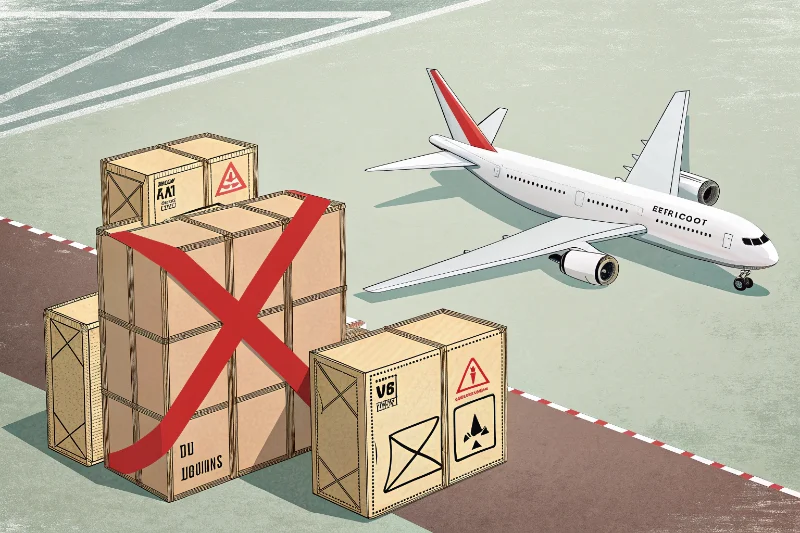
Early in my career, I had a client who was launching a new line of premium leather photo albums for the holiday season. They were behind schedule, so they insisted on shipping 50 cartons via air freight2 to hit a deadline. The product cost was around $5,000. When the shipping bill5 came, it was over $7,000. Their entire profit margin was gone before the first album was even sold. This is the classic mistake with dense, heavy products. Airlines charge based on "chargeable weight," which is the greater of the actual weight or the volumetric weight6. Because albums are heavy for their size, the actual weight is almost always higher. This makes air shipping extremely uneconomical. It's a tool for lightweight, high-value electronics, not for beautiful, hefty books of memories.
Cost Comparison: Air vs. Sea (Example Shipment)
| Shipping Method | Transit Time (Est.) | Cost for 200kg of Albums (Example) | Best For |
|---|---|---|---|
| Air Freight | 5-10 Days | $1,800 - $2,500+ | Urgent, lightweight, high-margin items. |
| Sea Freight | 30-45 Days | $200 - $400 | Bulk items, heavy goods, cost-sensitive products. |
What is the Best Shipping Method for Large Orders Over 3 CBM?
Your order is large enough to fill a pallet or two. You are not sure how to manage a bulk shipment and are worried about hidden fees and complex port procedures.
For any order larger than 3 cubic meters (CBM), standard sea freight is your most cost-effective option. It gives you the lowest per-unit shipping cost. We can help you get quotes for a full door-to-door service7, which is the most hassle-free choice.
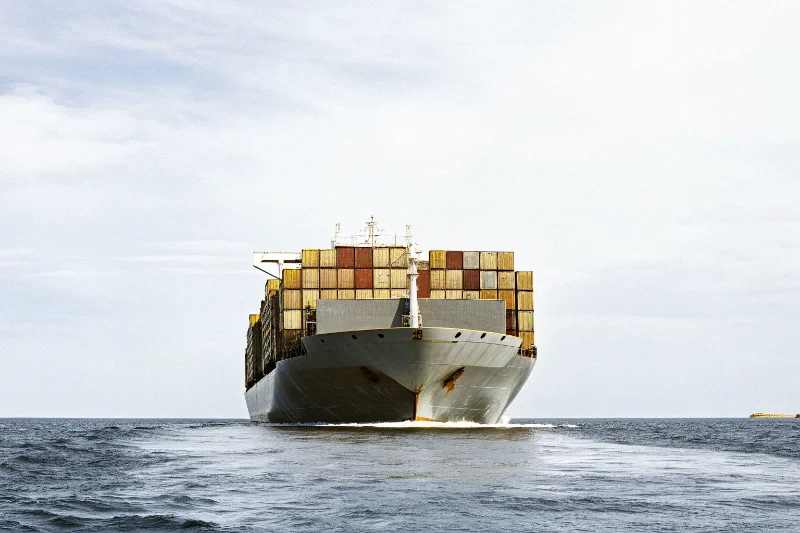
When your order volume grows, sea freight becomes your best friend. An order of 3 CBM is about the size of two standard pallets, which is a significant quantity of photo albums. At this point, shipping your cartons together in a shared container (known as LCL, or Less than Container Load) is extremely efficient. The key decision you need to make is about the service level. We always recommend a "door-to-door" service for beginners. This means the freight forwarder8 we recommend will handle everything: picking up the goods from our factory, managing the ocean journey, clearing customs in your country, and delivering the shipment to your warehouse or address. You get one price and one point of contact. The alternative is "port-to-port," which is cheaper but requires you to arrange your own customs clearance9 and inland transportation. It adds complexity that you just don't need on your first few shipments.
Sea Freight Service Levels
| Service Type | What It Means | Pros | Cons |
|---|---|---|---|
| Door-to-Door | The forwarder manages the entire journey from our factory to you. | Simple, convenient, all-inclusive. | Slightly higher cost. |
| Port-to-Port | The forwarder only manages the ocean part of the journey. | Lower initial quote. | You must handle customs and domestic transport yourself. |
How Can You Ship Smaller Orders Under 3 CBM Cost-Effectively?
Your first order is small, maybe just a few boxes. Air freight is too expensive, but a full sea freight service seems too complex. You feel caught in the middle.
For smaller orders under 3 CBM, a hybrid method called "Sea + Express" or "Sea + Land" is the perfect solution. It combines cost-effective ocean or land freight for the long haul with final delivery by a local courier like UPS or FedEx.
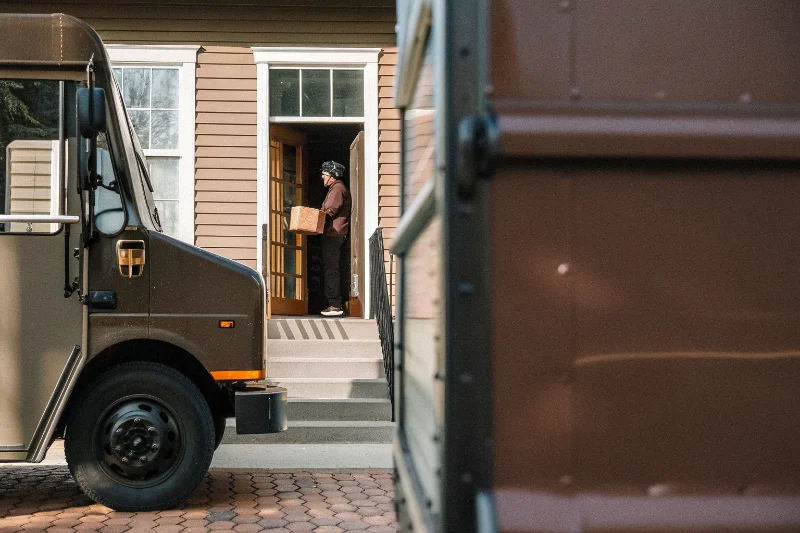
This hybrid model is a game-changer for new importers, and it's what we recommend for over 80% of first-time orders. Here is how it works: our logistics partner picks up the cartons from our factory. They consolidate your shipment with others and move it via a fast sea service (like the Matson fast boat to the US) or a truck line (a popular option for the UK/Europe). Once it arrives in your country and clears customs, the shipment is handed over to a domestic courier like FedEx or UPS. They then deliver it right to your front door. The beauty of this is its simplicity. You get a single, all-inclusive price and a tracking number, just like a regular package. It's slightly more expensive than traditional sea freight3, but it's far cheaper than air freight2 and eliminates all the headaches of dealing with ports and customs brokers. It is truly a secure, worry-free option.
Hybrid Shipping vs. Other Methods (for a 1 CBM Order)
| Method | Typical Transit | Cost (Example) | Convenience Level |
|---|---|---|---|
| Air Freight | 5-10 Days | ~$1,000+ | High |
| Sea + Express | 25-35 Days | ~$400 | Very High |
| Traditional Sea | 30-45 Days | ~$250 | Low (DIY Customs) |
Conclusion
Your shipping roadmap10 is simple. For large orders, use sea freight. For smaller orders, choose a Sea + Express hybrid. This strategy balances cost and convenience, ensuring your first import is profitable and stress-free.
References
Explore this link to understand the most cost-effective shipping methods for photo albums. ↩
Learn why air freight can be a costly mistake for heavy items like photo albums. ↩
Discover the benefits of using sea freight for bulk shipments and how it can save you money. ↩
Learn tips and strategies to make your import project successful and profitable. ↩
Understand the key components of a shipping bill to avoid unexpected costs. ↩
Learn about volumetric weight and how it affects shipping costs. ↩
Understand the convenience of door-to-door services for hassle-free shipping. ↩
Discover the role of freight forwarders in managing your shipping logistics. ↩
Explore the customs clearance process to avoid delays and complications. ↩
Find out how a shipping roadmap can guide you through the import process. ↩